

Bize Ulaşın!
+90 (532) 371 91 56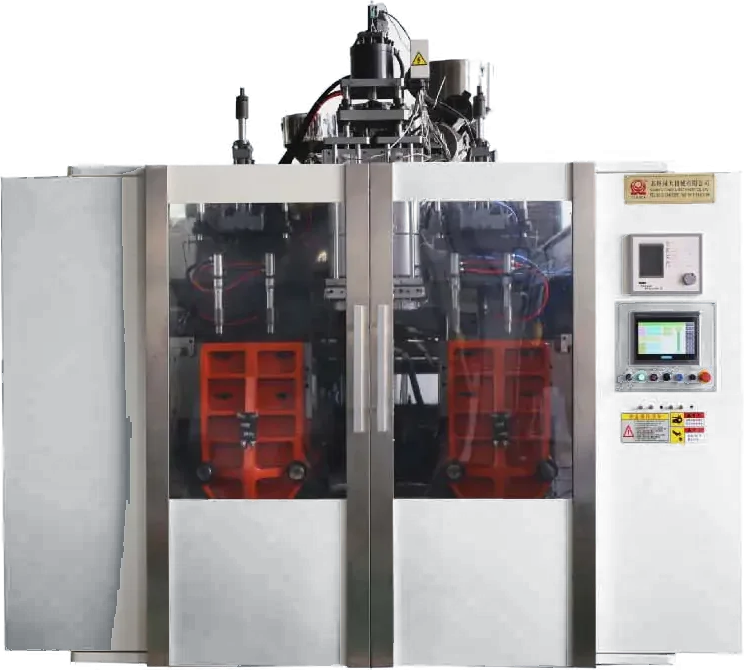




Suitable thermoplastic raw materials, such as PE (polyethylene) or PP (polypropylene), are loaded into the machine's feed hopper. The raw material is melted with the aid of an extruder screw and a heating system, resulting in a homogeneous melt.
The molten plastic from the extruder collects in the chamber of the accumulator head. The required amount of plastic is prepared based on the volume and weight of the product to be manufactured. This stage helps prevent long, heavy plastic tubes from stretching under their own weight—a common issue during continuous extrusion.
The molten plastic accumulated in the accumulator is rapidly pushed toward the mold outlet by a piston, which is operated by a drive system—either hydraulic or mechanical—tailored to the machine's design. This process creates a hollow, tube-shaped hot plastic parison. The length, diameter, and wall thickness distribution of the parison can be adjusted based on the machine design, mold geometry, and programmable die-gap control.
The hot parison is placed between the two halves of a blow mold. Once the mold is closed, pressurized air is introduced into the parison. The softened plastic expands toward the inner surface of the mold, taking on its shape. This process results in the creation of bottles, containers, or other hollow plastic products.
Following the inflation process, the plastic product is cooled by the cooling system within the mold until it reaches sufficient rigidity. The mold is then opened, and the finished product is removed. Where necessary, deburring and final inspection procedures are carried out.
As the finished product is removed from the mold, the extruder refills the accumulator chamber for the next production cycle. Thus, the melting and deposition processes and the rapid parison formation phase work in harmony with each other.
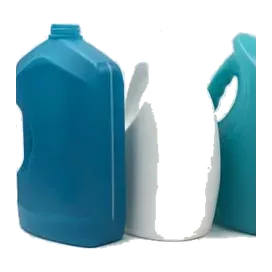
Accumulative extrusion blow molding machines can be used to produce the following products, depending on the capacity of the machine and the mold system used:
When choosing an accumulative extrusion blow molding machine, you should not only consider production capacity; Attention should also be paid to product weight, raw material type, targeted hourly production amount, mold dimensions, wall thickness requirements and energy consumption. The right machine and mold combination plays an important role in terms of continuity of production quality and operational efficiency.
Selecting the right blow-molding technology for the production of plastic bottles and containers is a fundamental step toward increasing the efficiency of your manufacturing processes. Explore extrusion blow-molding solutions tailored to your production requirements with Sismaksan. Contact us to select the ideal machine based on your product specifications, target capacity, and raw material preferences. Sismaksan — The right solution in plastic bottle blow-molding technology for efficient production.
